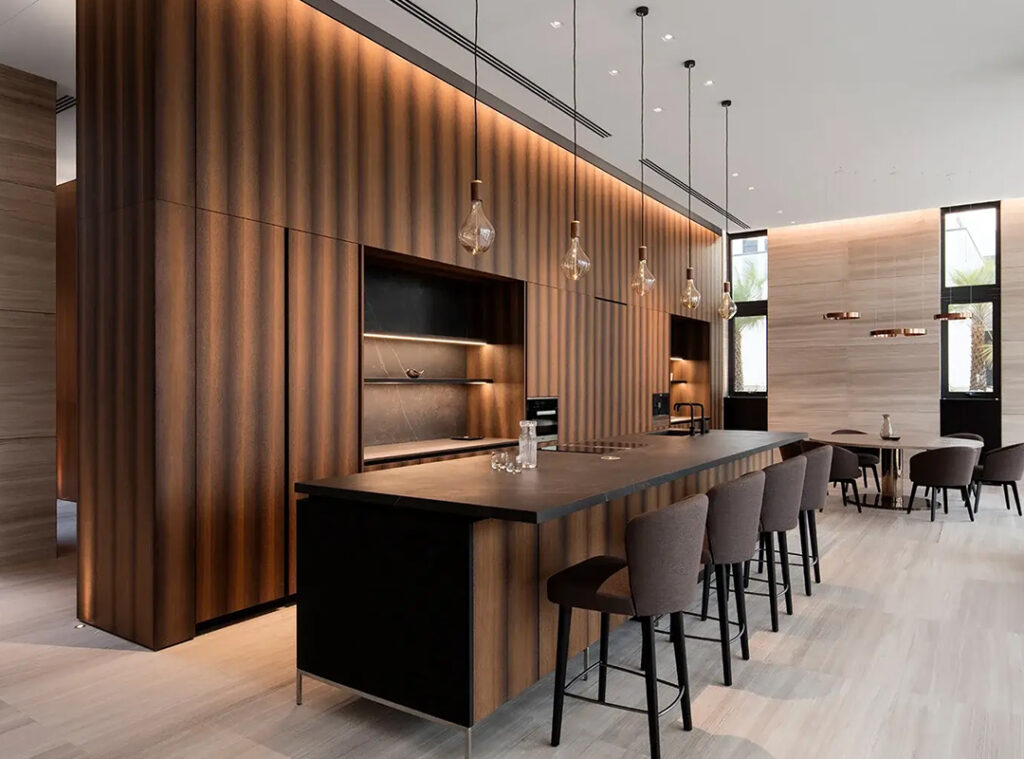
A bare concrete room holds little promise. It is just floors, walls, and a ceiling. The fit out work is what turns that empty shell into a place where people work, shop, or eat. This process builds the interior world we experience every day. It is a clear sequence of steps that brings a design on paper to life.
Design and planning
It all starts with an idea. Designers talk with the client to understand the space’s purpose. They create drawings and models for the fit out works. These plans show where walls will go, where lights will hang, and what the colors will be. Every detail is decided here, from the type of flooring to the position of power sockets. Good planning prevents problems later.
Getting permissions
Before any building starts, the plans must get approval. The design is checked against local building rules and safety codes. This step ensures the new space will be safe and legal. It is a formal but very important stage.
Building the structure
This is when the site becomes active. Workers first set up protection for the building’s common areas. Then, they start building the interior skeleton. This includes putting up new walls, installing ceiling frames, and laying down pipes and wires inside the walls. The space begins to take its real shape.
Installing surfaces and fixtures
With the structure ready, the focus shifts to surfaces. Walls get plaster and paint or wallpaper. Tiles or wooden floors are fitted. The ceiling tiles or panels go up. Lights, air conditioning vents, and sprinklers are installed. This phase makes the room look finished and defines its feel.
Adding the final pieces
Now, the functional parts are put in. Carpenters fix built-in cabinets and shelves. Kitchen equipment or office workstations are installed. Bathroom fittings like taps and mirrors are mounted. Doors are hung, and handles are attached. The space becomes ready for use.
Finishing touches and handover
The last step involves cleaning and fine-tuning. A deep clean removes all construction dust. Final paint touch-ups are done. All lights and equipment are tested. The client then walks through the completed space. After this final check, the keys are handed over. The empty shell is now a complete, working environment.